The 15-Minute Myth: The Cognitive Impossibility of Modern Work
Professionals get interrupted every 15 minutes during business hours, but it takes 23 minutes to refocus. Our analysis of 2,000+ professionals reveals why sustained concentration has become cognitively impossible—and what it's costing your firm.

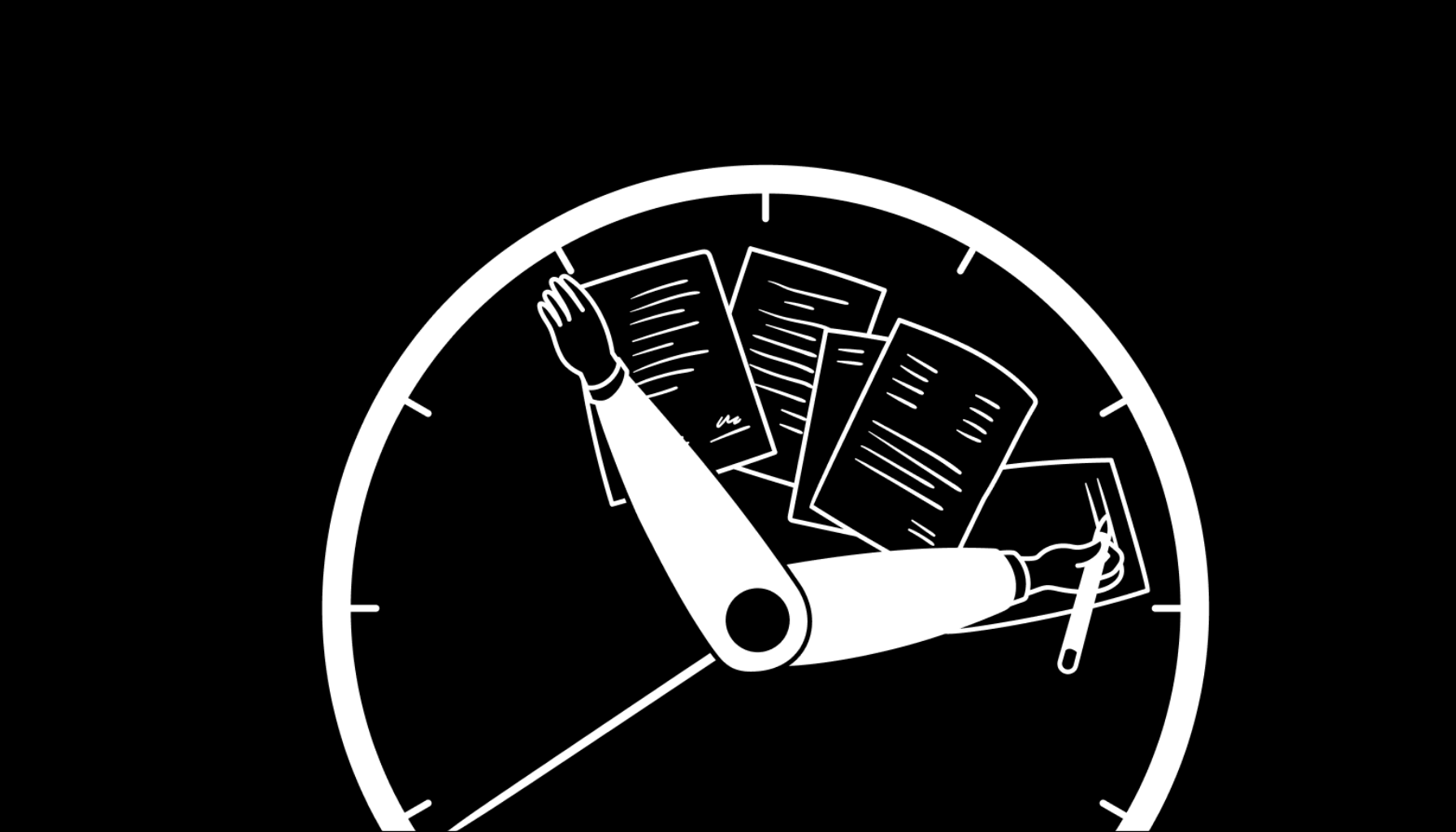
There’s a fundamental mismatch at the heart of how professional work gets done, one that's quietly undermining the very work clients pay premium rates for.
Our analysis of work patterns across 2,000+ professionals reveals a stark reality: during business hours, professionals experience interruptions approximately every 15 minutes. Meanwhile, research shows it takes an average of 23 minutes and 15 seconds to fully regain focus after an interruption.
When interruptions occur more frequently than the time required to recover from them, sustained concentration becomes cognitively impossible.
What Deep Focus Actually Requires
Deep work — the complex analysis, strategic thinking, and creative problem-solving that justifies professional services pricing — requires sustained, uninterrupted cognitive engagement.
Think about the work your clients actually pay for: analyzing complex legal precedents to build a case strategy, modeling financial scenarios with multiple interdependent variables, architecting technical solutions to intricate business problems, synthesizing research findings into strategic recommendations.
This isn't work you can do while toggling between email, chat, and Zoom. It requires what psychologists call "deep cognitive states", the mental zones where complex pattern recognition, abstract reasoning, and creative synthesis become possible.
You can’t reach these states in 15-minute increments.
The Crisis of Partial Focus
Our data shows professionals deal with 110+ email interactions per day, each averaging 40 seconds. That's roughly 75 minutes of email time, but not 75 consecutive minutes. It's 110 separate interruptions distributed throughout the day, each carrying a cognitive switching cost that pulls attention from whatever was in progress.
Research on cognitive switching helps explain the impact of this pattern. Studies from the University of California, Irvine show that after an interruption it takes an average of 23 minutes and 15 seconds to fully regain focus on the original task.
In environments where interruptions occur approximately every 15 minutes, sustained concentration becomes difficult to maintain. Professionals may maintain output quality by increasing mental effort and working more quickly, but this often results in higher stress, frustration, and time pressure. Many professionals therefore spend the workday moving between tasks without reaching extended periods of sustained focus.
The Great Displacement of Deep Work
One of the most notable patterns in the data involves when deep work occurs.
The analysis shows that 28.2 percent of all work takes place outside conventional business hours. In addition, nearly half of all deep work occurs outside the traditional 9 a.m. to 5 p.m. workday.
Across the professionals included in the study, the average week includes approximately 20.4 hours of deep work. Of that total, 10.1 hours occur outside standard business hours.
These patterns suggest that many professionals complete complex analytical work during quieter periods when communication activity is lower. Early mornings, evenings, and weekends may provide conditions that allow longer periods of concentration.
This shift can reflect the flexibility enabled by modern work arrangements. At the same time, it highlights the relationship between workday structure and the timing of cognitively demanding tasks.
The Meeting Multiplier
Scheduled meetings add another layer of fragmentation. With professionals spending 30.2% of their time in meetings (roughly 16.6 hours per week), the interruption pattern extends far beyond email and chat.
Our data reveals concerning patterns in meeting culture:
- 46% of meeting time involves multitasking, suggesting meetings don't merit full attention
- 35.6% of meetings are impromptu, fragmenting planned work time
- 33% of meetings include 9+ attendees, beyond optimal decision-making size
When business hours are already fragmented by constant communication, meetings consume what little continuous time might remain for sustained focus.
The Invisible Work Behind Client Delivery
Our research also identifies another dimension of professional work that receives limited visibility: unsubmitted work.
Professional services firms rely heavily on billable hours as a core performance metric. However, a substantial portion of work that supports client delivery never appears in billing systems.
The analysis shows that approximately 30 percent of professional work time goes unsubmitted in timekeeping systems. This represents roughly three hours of work per day.
The median professional services timekeeper records 39.5 hours out of approximately 55 hours worked. Some of the unsubmitted time reflects essential but non-billable activities such as internal training, business development, compliance, and coordination work.
However, about 11 percent of the unsubmitted time represents work that should have been billed. This equals roughly 20 minutes per day per professional.
Using a blended billing rate of $400 per hour, this missed billable time represents more than $26,000 in annual revenue per professional. When firms make staffing, pricing, and utilization decisions based only on submitted time, those decisions may rely on an incomplete picture of how work is performed.
What This Means for Your Firm
Protected focus time enables the high-value cognitive work that justifies professional services pricing and delivers genuine client value.
The work clients pay premium rates for (complex analysis, strategic thinking, creative problem-solving) requires sustained cognitive engagement. When business hour fragmentation makes this work impossible, it migrates to personal time or doesn't happen at the depth it should.
Designing for Deep Work
Solving this doesn't require working longer hours or superhuman focus. It requires operational choices that protect rather than fragment high-value cognitive time.
Protected focus blocks. Designate specific hours as no-meeting, low-communication time where deep work is expected and defended.
Communication protocols. Clear guidelines on what requires immediate response versus what can wait, reducing the psychological pressure for constant availability.
Meeting budget constraints. Limit total meeting hours per person per week, forcing prioritization of what truly needs synchronous discussion.
Asynchronous-first approach. Default to asynchronous channels (email, recorded updates) unless real-time interaction is genuinely necessary.
Make focus quality visible. Track average uninterrupted work blocks and ratios of value-creating to coordination activities.
Measure Your Focus Deficit
- How many hours of uninterrupted focus time do your professionals average per day?
- What percentage of your team's deep work happens outside business hours?
- Which client deliverables actually benefit from the sustained cognitive engagement you're making impossible?
The answers will reveal whether you're enabling or preventing the work your firm exists to do.
Download the full report: Explore comprehensive data on focus fragmentation, deep work patterns, and the complete spectrum of professional work challenges.
This post is part of our Work Intelligence series, exploring data-driven insights from analyzing work patterns across 2,000+ professionals in professional services firms.
We transform time into strategic revenue with real AI.


We believe that well-spent days lead to well-lived lives.


.avif)
We obsess over timekeeping so you can keep your time
A fresh start to the week! What needs to be accomplished?

Don’t forget to take moments to stretch, snack, or share funny videos.
You’re halfway through your week. Have you done the important things yet?
The weekend is fast approaching! What are you proud of this week?
It’s Friday! Close your laptop to soak up your surroundings— or keep it open to continue a project you’re passionate about.
Deep breaths. Deep thinking. Deep conversations. (Or, you know, keep things light!)
Close your eyes and think about the week ahead. How will you value your time?
A fresh start to the week! What needs to be accomplished?
Don’t forget to take moments to stretch, snack, or share funny videos.
You’re halfway through your week. Have you done the important things yet?
The weekend is fast approaching! What are you proud of this week?
It’s Friday! Close your laptop to soak up your surroundings— or keep it open to continue a project you’re passionate about.
Deep breaths. Deep thinking. Deep conversations. (Or, you know, keep things light!)
Close your eyes and think about the week ahead. How will you value your time?