What Is Work Intelligence, and Why Your AI Strategy Depends on It
In this webinar recap, Laurel co-founder Eric Zaarour breaks down what work intelligence is, why 25% of your organization's work is invisible, and what that means for every AI investment you're making today.

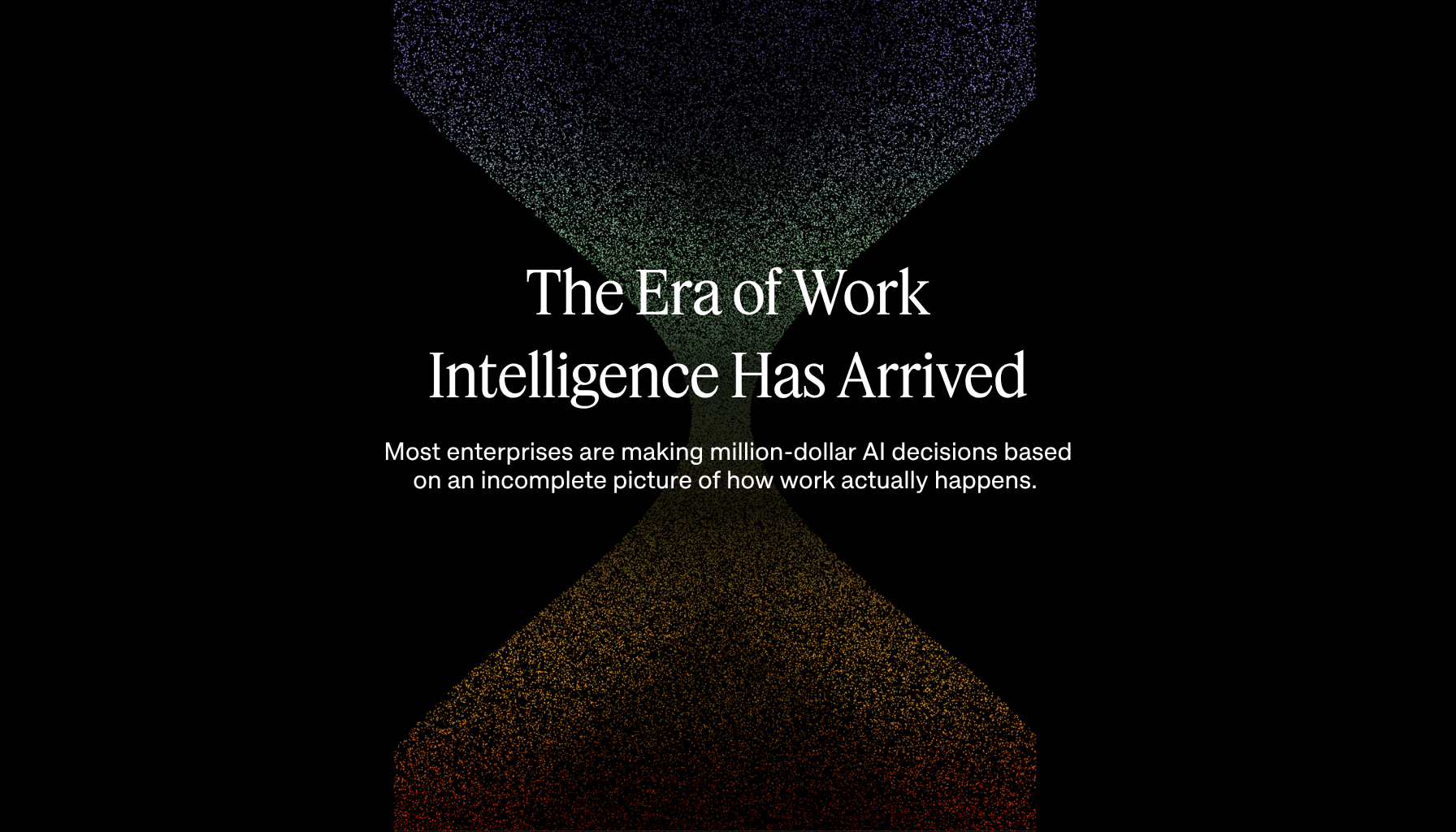
Every firm deploying AI right now is doing so on top of incomplete data.
The average professional works around 3 hours a day that never get recorded. When you build a multimillion-dollar transformation strategy on top of that data set, you're not optimizing your business, you're optimizing your assumptions about it. That was the central argument Eric Zaarour, Co-founder at Laurel, made in our recent webinar on work intelligence.
The Invisible Workday is the Real Problem
Most firms believe they have a visibility problem. They don't. They have a capture problem.
The gap between work performed and work submitted isn't a time-tracking inconvenience. It's a structural blind spot that cascades through every major decision a firm makes. When 25% of your work is invisible, utilization metrics are wrong, pricing models are guesses, and capacity planning is built on surveys and human memory rather than actual signal.
For time-and-materials firms, that gap is a direct hit to revenue. For fixed-fee shops, it's margin erosion that's nearly impossible to trace. For any knowledge-intensive business, it means running without a complete picture of how work is actually being performed.
The AI Acceleration Trap
Here's where the stakes get higher.
AI doesn't solve the invisible work problem. It accelerates the visible work. That distinction matters more than most firms realize.
When you deploy AI to automate drafting, document review, or research, you're making the work that was already visible faster. You are not surfacing the work that was never captured in the first place. If that invisible work contains your highest-leverage activities (partner judgment calls, crisis management, the kind of reasoning that clients actually pay for) then your AI strategy is optimizing around the wrong things entirely.
The firms we speak with are experiencing this in real time. Law firms know that tools can be transformative but can't quantify how, or what the right pricing looks like in alternative fee arrangements.
Accounting firms feel pressure to move to fixed-fee billing but don't know which work is dragging margins down. Financial services firms want to identify which tasks to automate and which to protect, but don't have the data to tell the difference.
The mental models firms rely on don't hold up under scrutiny. Measuring submissions isn't the same as measuring work. Knowing reported time isn't the same as knowing capacity. And accelerating visible work with AI isn't the same as improving productivity across the board.
What Work Intelligence Actually Is
Work intelligence is the infrastructure layer between your work activity and your business outcomes.
It operates across three functions: capture, classify, and connect.
- Capture is the hardest part, and the part most firms underestimate. It means capturing discrete work activities as they happen, across every surface: laptops, phones, calls, virtual environments. Not summaries written after the fact. Not time entries reconstructed from memory. The actual transactions that constituted the work.
- Classify means mapping those captured activities against a firm-specific ontology, a definition of work that reflects how your business actually operates. No two firms describe their work the same way. A law firm, an accounting firm, and a consulting firm will each have their own taxonomy. Work intelligence must be flexible enough to accommodate that.
- Connect means linking those classified activities to business outcomes: the services delivered, the KPIs tracked, the engagements billed. This is where the captured data becomes intelligence, you can see which activities correlate with profitable outcomes, which drain margins, and which represent the highest leverage on human judgment.
BI tools and project management software don't do this, they capture what people tell them. Work intelligence captures what people do.
The Map Firms Are Missing
Once you can capture and classify work at this level of granularity, a different kind of analysis becomes possible.
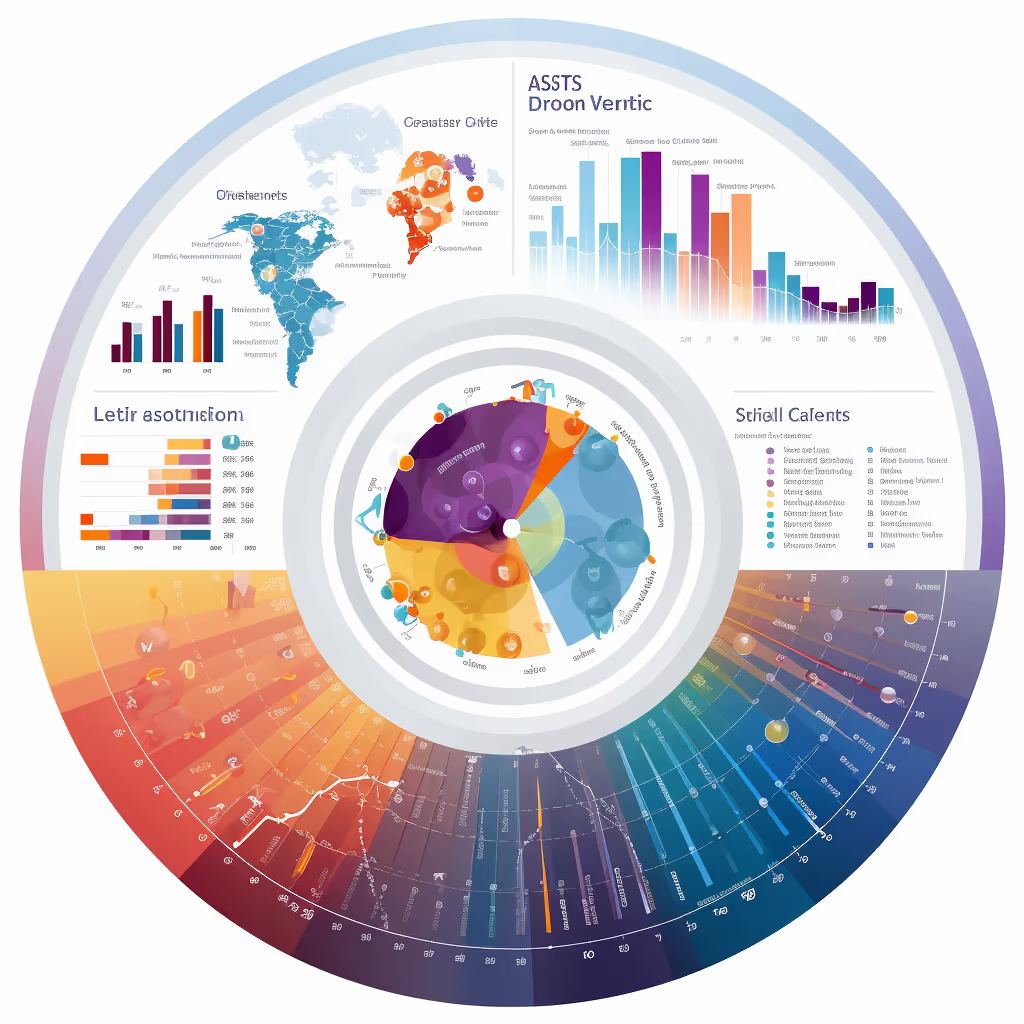
The radar graph view maps work across three categories: low-leverage work where automation is the right answer, hybrid work where humans and automation cooperate, and high-leverage work where human judgment is irreplaceable and should be protected.
This is the view that turns AI investment decisions from bets into decisions. Without it, you're allocating AI spend without knowing which activities will actually benefit, and risking automation of the work that makes your firm worth what it charges.
Token consumption is expensive. AI deployments are expensive. Making those investments without work intelligence isn't just inefficient, it puts pressure on every budget line associated with your transformation strategy.
The Question to Take Back to Your Leadership
Consider the question: if 25% of your organization's work is invisible, what exactly are you optimizing today? Most firms can't answer it, and that's a problem that compounds with every AI investment made on top of incomplete data. Work intelligence doesn't replace your AI strategy. It's the foundation that makes it defensible.

Continue Reading




We transform time into strategic revenue with real AI.


We believe that well-spent days lead to well-lived lives.


.avif)
We obsess over timekeeping so you can keep your time
A fresh start to the week! What needs to be accomplished?

Don’t forget to take moments to stretch, snack, or share funny videos.
You’re halfway through your week. Have you done the important things yet?
The weekend is fast approaching! What are you proud of this week?
It’s Friday! Close your laptop to soak up your surroundings— or keep it open to continue a project you’re passionate about.
Deep breaths. Deep thinking. Deep conversations. (Or, you know, keep things light!)
Close your eyes and think about the week ahead. How will you value your time?
A fresh start to the week! What needs to be accomplished?
Don’t forget to take moments to stretch, snack, or share funny videos.
You’re halfway through your week. Have you done the important things yet?
The weekend is fast approaching! What are you proud of this week?
It’s Friday! Close your laptop to soak up your surroundings— or keep it open to continue a project you’re passionate about.
Deep breaths. Deep thinking. Deep conversations. (Or, you know, keep things light!)
Close your eyes and think about the week ahead. How will you value your time?